

Stress is not something most of us can eliminate. A tight deadline, a difficult conversation, or just a packed schedule can trigger the same biological stress response whether the threat is real or merely inconvenient. What varies far more than the stress itself is how well a person’s daily habits help them recover from it. Small, consistent changes often matter more than people expect.
The first habit worth building is protecting sleep, not just the hours but the consistency. Going to bed and waking up at roughly the same time, even on weekends, helps the body’s internal clock regulate hormones that influence energy and mood the next day. A short wind-down routine, such as dimming the lights and reading instead of scrolling, makes that consistency easier to stick to over time.
Movement is the second habit, and it does not need to mean an intense workout. A twenty-minute walk, especially outdoors, lowers physical tension and gives the mind a break from whatever caused the stress in the first place. People who move daily, even briefly, tend to report feeling more capable of handling the next stressful thing that comes along.
Breathing is the third habit, and it is the fastest tool available in the moment. Slowing the exhale, for example by breathing in for four counts and out for six, signals the nervous system to shift out of high alert. It takes under two minutes and can be done almost anywhere.
Nutrition plays a quieter but still real role. Steady blood sugar, from regular meals that include some protein and fiber, helps avoid the energy crashes that make ordinary stress feel worse than it is. Caffeine late in the day is also worth watching, since it can make it harder to wind down at night even when it does not feel that way at the time.
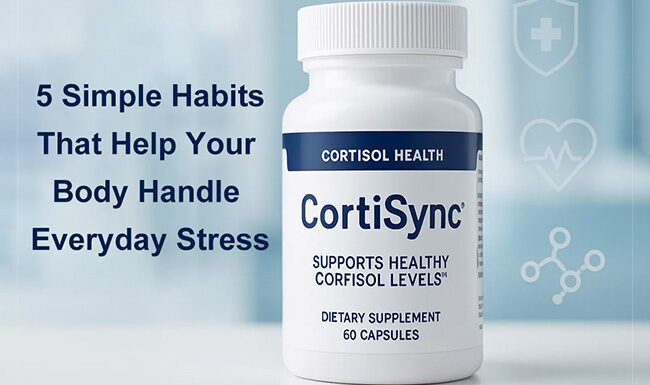
Many people also like to understand what is actually in a supplement before adding one to their routine, rather than relying on marketing claims alone. Reading an honest, ingredient-by-ingredient breakdown, like this CortiSync review, is a reasonable first step before deciding whether a product like that belongs in a daily routine at all.
None of these habits require a complete lifestyle overhaul. Choosing one or two and building them consistently tends to matter far more than trying to change everything at once. Stress will keep showing up; the goal is simply to recover from it a little faster each time.
