

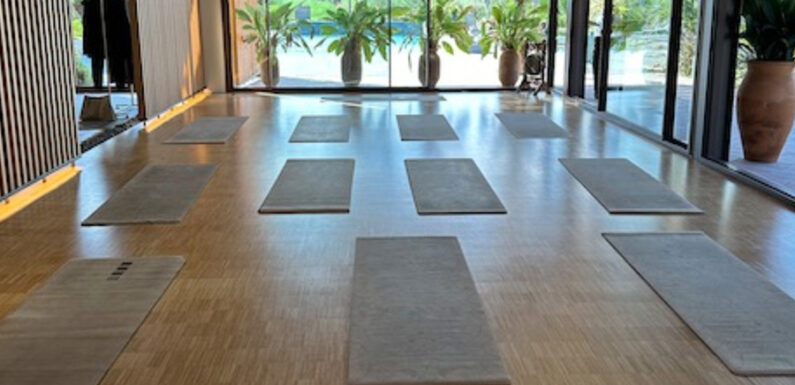
A Saturday can disappear into errands, unanswered messages and plans you made weeks ago. By Sunday evening, you might find yourself wondering when you actually sat down. That is one reason yoga retreats appeal to people who struggle to set aside time at home. A few hours away, or a weekend if you can spare it, give you the chance to move, eat and rest without having to organise the day yourself. The best fit starts with a simple question. What would make this feel like a break for you?
Read the timetable before you look at the rooms
A lovely room can make a stay more comfortable, but the timetable tells you how you will spend most of your time. Look at when the first session starts, how long the classes last and what happens between them. Two practices with a long lunch in between will feel very different from a day of back-to-back activities, even if both are described as relaxing.
Check which sessions are optional. If an afternoon walk sounds appealing when you book, you might still prefer to spend that hour reading once you arrive. A clear schedule makes it easier to see where you can make that choice. If the programme lists free time, find out how much. Half an hour to change before dinner feels quite different from an afternoon you can spend as you please.
Find out how the yoga is taught
If you are new to yoga or have taken a long break, the pace of the teaching can matter more than the style listed on the programme. Ask how the teacher introduces unfamiliar movements and what options are available if you need more support. A teacher might demonstrate a movement, offer a chair or show you how to use a block. Those details can give you a better idea of what your first class will feel like than a description that simply says it suits all levels.
It is also worth asking what the different sessions involve. You might enjoy a steady morning practice and prefer something quieter later in the day. If you usually attend a weekly class, think about which parts you look forward to most. You might like the time spent settling at the start, the chance to move without looking at a screen, or the few minutes of stillness at the end. That can help you choose a programme you will enjoy.
If the description leaves you unsure, ask the organiser to talk you through a typical session. You can mention what you already enjoy or what makes you hesitate. Their reply can give you a sense of how comfortable you would feel asking a question once you are there.
Think about the time between classes
Meals and breaks can shape how comfortable you feel, especially if you are going on your own. A shared lunch gives you an easy way to get to know the group, while a quiet corner gives you somewhere to go if you need time to yourself. Ask how many people usually attend and how meals are arranged. A smaller group can feel easier to settle into if you find it tiring to meet lots of people at once.
For an overnight retreat, find out if rooms are shared and what a private room would cost. Check what is included in the price, especially meals, equipment and any extras you are interested in. If you have dietary requirements, ask how the venue handles them. Having the answers before you leave means you can arrive with a clearer idea of how the stay will work.
If you are booking with a friend, compare what each of you hopes to get out of the time away. You might be looking forward to every class while they are most excited about a lie-in. A programme with some flexibility gives you both room to enjoy the stay.
Choose a length that fits the week around it
A day retreat can suit you if taking time away overnight would mean a lot of organising at home. It can also give you a feel for the format before you book a longer stay. A weekend allows more time to settle in, particularly if you know it usually takes you until the second morning of a trip to stop thinking about what you left behind.
Count the travel time as part of the break. A Friday arrival might sound easy until you realise you would have to leave work early or rely on the last train. Check when you can arrive, how you will get there and what time the retreat finishes. If you can, leave a little space on either side. Even a quiet hour at home before the week starts can help you feel less hurried on the way back.
Leave room to take something small home
You might come away with a better sense of when you like to move, or with a stretch you remember enjoying. Give yourself a few days to see what still feels useful once your usual routine resumes. A short practice while the kettle boils might suit you better than putting an hour in your diary. You might also realise how much you enjoyed a meal away from your phone and decide to make that a regular part of your week.
If nothing immediately comes to mind, think back to a moment you particularly enjoyed. It might have been a conversation over breakfast or the chance to finish a chapter in one sitting. Those moments can tell you what you want more of at home. They can also give you a better starting point for choosing your next retreat.
If you are ready to look at what is available, The Yoga Collaboration offers guided yoga retreats with time set aside for rest. Start with the sort of day you would like to have, then look for a programme that gives you enough time for it. That might mean a practice you feel comfortable joining, lunch with good company and a little while afterwards when you can decide what to do next.
