

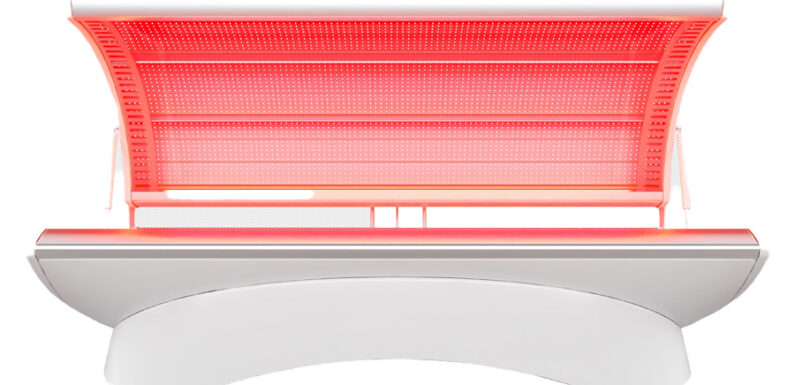
Safety is an important consideration when purchasing light-based wellness equipment. Whether a device is intended for home use, a beauty business, or a professional wellness facility, buyers need confidence in its design and operating instructions. Manufacturers have an important responsibility to consider safety throughout product development and production.
Choosing experienced red light therapy manufacturers can help businesses investigate product documentation, testing practices, and compliance requirements before investing in equipment.
Electrical Safety and Product Design
Red light therapy devices contain electrical components, LED systems, power supplies, and control circuits. Poor design or inadequate assembly may create problems such as overheating, electrical faults, or premature component failure.
Manufacturers should evaluate electrical safety, insulation, temperature control, and the quality of internal connections. Appropriate protective features and clear instructions can also help reduce avoidable operating risks.
Understanding Light Specifications
Buyers should understand the difference between wavelength and irradiance. Wavelength describes the characteristics of the emitted light, usually measured in nanometers. Irradiance measures optical power received per unit area and is commonly expressed in milliwatts per square centimeter.
Both values help describe device output, but they provide different information. Irradiance figures should include the measurement distance and testing method to make comparisons meaningful.
Checking Certifications and Compliance
Different countries apply different rules to wellness and medical devices. Manufacturers should identify which standards and regulatory requirements apply to each product and destination market.
Buyers should request relevant certificates, test reports, and product documentation. They should verify whether a certification applies to the exact model being purchased. Facility registration, product certification, and regulatory clearance are not interchangeable.
For products marketed for medical purposes, buyers should also confirm that the stated regulatory status covers the intended use.
Clear Instructions and Warnings
Good documentation helps customers understand device operation, recommended use, cleaning procedures, and precautions. Depending on the device, instructions may address eye protection, photosensitivity concerns, medication-related sensitivities, and other relevant risks.
Manufacturers should avoid unsupported claims about treating diseases or guaranteeing health outcomes.
Quality Assurance Throughout Production
Safety checks should not end with product design. Manufacturers can inspect incoming components, monitor assembly, test finished units, and maintain records of identified defects. These procedures support consistency across production batches.
Conclusion
Safety should be a basic requirement rather than an optional feature. Before selecting red light therapy manufacturers, businesses should review technical specifications, applicable certifications, independent test results, and user documentation. Careful verification supports informed purchasing decisions and helps protect customers.
